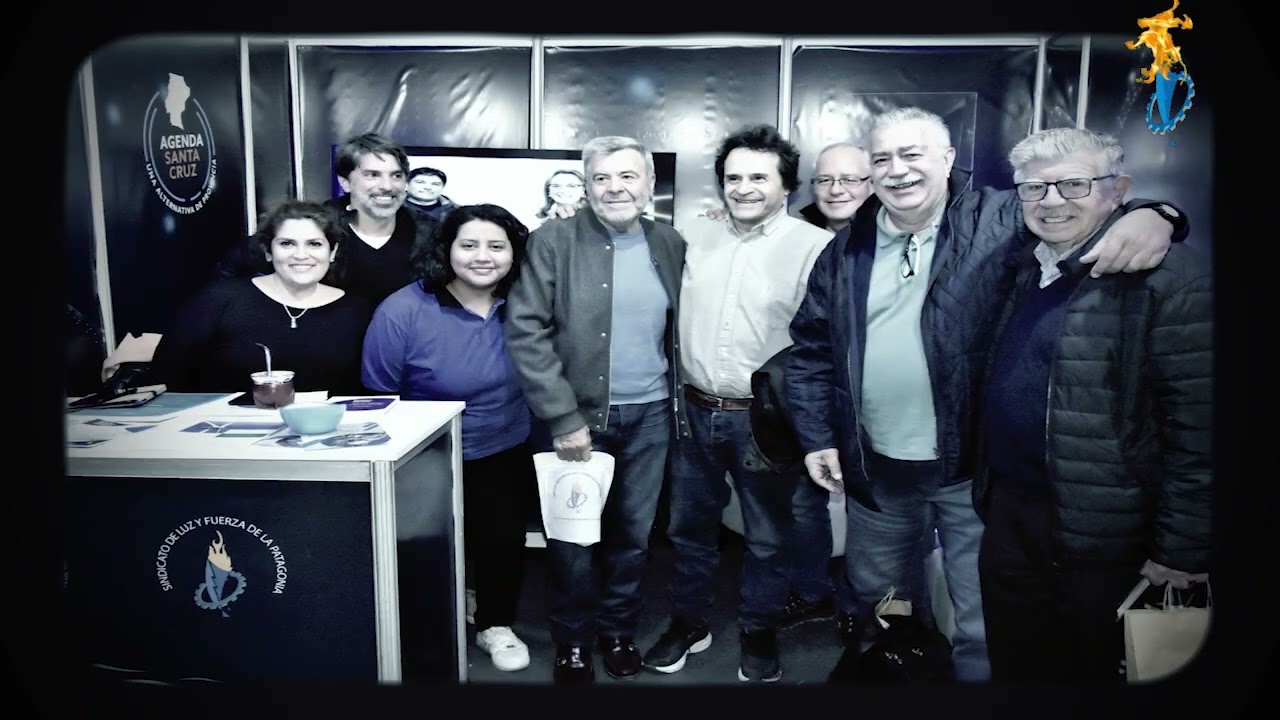
- Un convenio de Luz y Fuerza es un acuerdo laboral entre la empresa y el sindicato. Puede regular salarios, jornada, beneficios, licencias, estabilidad, seguridad y solución de conflictos.
- Su aplicación depende del país, la empresa, la actividad, el sindicato y el periodo laboral. Para aplicarlo, identifica país, empleador, sindicato, actividad y vigencia.
- Consulta el registro oficial del país y combina el convenio con la legislación laboral aplicable. Verifica también el acuerdo de empresa y los documentos del periodo laboral.
Un convenio colectivo de Luz y Fuerza Patagonia es un acuerdo laboral negotiated between an employer and the union representing a specific group of workers. It usually regulates pay, working time, benefits, leave, job stability, safety, and the way workplace problems are resolved. Its effects depend on the country where you work, because the legal framework, the union structure, the registration system, and the applicable collective instrument are different in Spain, Mexico, Argentina, Chile, and Peru. The same union name or company does not guarantee that the same rules apply everywhere.
¿Qué es un convenio colectivo de Luz y Fuerza?
A collective agreement translates a negotiated relationship into enforceable workplace rules. It may establish salary categories, staffing, shifts, leave, training, health and safety standards, discipline procedures, and protection against certain dismissals. It also identifies which union and which companies are covered and which workers are excluded.
The agreement cannot replace all labor legislation. In practice, the final result comes from combining the collective instrument with the applicable national law, any company-level agreement, and the particular facts of the worker. A dispute about whether a benefit applies therefore requires checking all of those elements, not just the document title.
Before relying on a Luz y Fuerza collective agreement, identify the country, the employer, the union, the activity, and the period during which the worker was employed. A collective agreement from Argentina, for example, cannot automatically be applied to a worker in Mexico or Spain. The same principle applies to electronic searches: search by country and employer rather than by the name “Luz y Fuerza” alone.
Quién queda cubierto y cómo se determina
- Coverage: the agreement usually defines the companies, establishments, activities, and worker categories included. In Argentina, the document reviewed refers to a specific company and the activity principal of that company, including workers assigned to Timbúes in Santa Fe.
- Representation: the union or federated union is the party that negotiates and signs the agreement. The representative body may differ between countries, so the name of a signatory does not by itself identify the authority that will enforce the agreement.
- Exclusions: senior management, certain technical or professional posts, and positions with privileged access to information may be outside the scope. Argentina’s Resolution 1100/2012 expressly excludes several categories and refers the inclusion of shift chiefs to a labor-relations commission.
- Vigencia: an agreement may expire, be renewed, or continue under a legal rule if no replacement is signed. In Argentina, CCT 1284/12 “E” continued in full if its three-year term expired without a renewal agreement.
- Priority: a more specific company agreement may prevail over a broader sectoral agreement, subject to the legal limits of each country. The applicable legislation remains the final reference.
The concrete criteria for coverage and exclusivity must be checked in the country where the employment relationship exists.
España: cómo se consulta y aplica un convenio del sector eléctrico
In Spain, a collective agreement operates within the framework of the Estatuto de los Trabajadores. The agreement is negotiated by the legally recognized bargaining units and normally develops the general rules of the statute. The Registro y Depósito de Convenios Colectivos is the official route for locating and checking the text, its scope, its publication date, and its validity period.
The Spanish system also distinguishes the statutory rules from collective regulation. For example, the Estatuto de los Trabajadores addresses cases of impossibility of access to the workplace, certain family force-majeure absences, modifications of working time, and remote work. The collective agreement may add details, but it cannot reduce a statutory right. If the electricity sector agreement does not address a specific outage situation, the statutory rules must be analyzed before assuming a salary deduction or the need to recover hours.
For a worker in Spain, the practical starting point is the applicable sectoral and company agreement, followed by the company’s current employment records and the collective agreement’s registration details. The Ministry of Labour and Social Economy, the collective agreement registry, and the labour inspectorate are the relevant public institutions for different parts of that verification.
El marco collective y la representación sindical en España
The collective agreement is the negotiated part of the employment relationship. In Spain, it develops rights and obligations within the Estatuto de los Trabajadores, while the State’s general rules remain applicable. The Real Decreto 713/2010, on registration and deposit of collective agreements, regulates the official registration and publication framework.
Collective bargaining in Spain involves the corresponding employer and worker representatives. The agreement’s legal effects are connected to its registered scope and to the bargaining unit that negotiated it. The Comisión Consultiva Nacional de Convenios Colectivos is relevant to collective bargaining issues; the Ministry of Labour and Social Economy is the central public authority to check when a worker needs clarification about the official system.
La guía laboral española ante el apagón eléctrico
The following table distinguishes the statutory rules from collective or company-level regulation in Spain. The figures and deadlines are those identified in the supplied guide; a specific collective agreement may provide additional protection.
| Situation in Spain | Rule to apply | Days or consequence |
|---|---|---|
| Impossible access because of a disaster or adverse weather | Estatuto de los Trabajadores, art. 37.3.g | Up to 4 days; the period may continue while the circumstances persist |
| Family force majeure in Spain | Estatuto de los Trabajadores, art. 37.9 | Up to 4 days per year, without prior notice |
| Salary and recovered hours during an outage in Spain | Collective agreement and negotiation with the company | If the agreement is silent, the union should negotiate no deduction and no recovery of hours |
| Change of working schedule in Spain | Estatuto de los Trabajadores, art. 34.2 | 5 days’ notice |
| Remote work during an outage in Spain | Statute and collective agreement | Time lost through a non-attributable outage may count as effective working time, without later compensation |
In Spain, an employer cannot simply treat an unreached workplace as an ordinary absence: the cause, the statutory article, the collective agreement, and any safety duty must be examined separately.
Qué documentos y organismos usar para verificar un caso en España
- Identify the agreement. Search the official collective agreement registry using the employer’s legal name, the union, and the activity. The public Registro y Depósito de Convenios Colectivos is the starting point.
- Request the records. Ask the employer or its personnel department for the current collective agreement, the version applicable on the date of the claim, the company agreement, and the employment record. Keep the request in writing and identify the country as Spain when the document does not say so.
- Check the authority. Use the Ministry of Labour and Social Economy for information about the collective agreement system and the Inspección de Trabajo for inspection matters. A disagreement about the meaning of a collective clause may require advice from the union or a labour lawyer.
Do not apply the Argentine Resolution 1100/2012 to a worker in Spain. The same warning applies to the Spanish outage rules in Mexico, Argentina, Chile, or Peru.
México: cómo se consulta y aplica un convenio del sector eléctrico
In Mexico, collective bargaining is governed by the Ley Federal del Trabajo. A collective agreement can regulate working conditions for the workers it covers, but its application depends on the company, activity, union, sector, and the agreement’s registration and validity.
The title “Luz y Fuerza” may refer to different union organizations or employers. Therefore, a Mexican worker should search for the agreement by legal name of the employer, union, industry, and collective agreement number, rather than relying on a general reference to “Luz y Fuerza Patagonia”. The Secretaría de Trabajo y Previsión Social is the central authority for checking collective labor information and supervision, while PROFEDET can provide free advice to workers.
The Mexican procedure also matters. Since the 2019 reform, a dismissal dispute normally begins with mandatory conciliation at the Centro Federal de Conciliación y Registro Laboral, followed, if necessary, by proceedings before the competent labor tribunal. That is a different procedure from the Argentine administrative filing of a collective agreement and from the Spanish complaint route.
El marco mexicano de negociación colectiva
The Ley Federal del Trabajo de México establishes the rules for collective negotiation and the incorporation of collective agreements into employment relationships. The agreement normally sets the rules for the represented bargaining unit, while mandatory statutory rules and company-level arrangements must also be checked.
For a Mexico case, the Secretaría del Trabajo y Previsión Social is the relevant authority to inspect registration information and administrative compliance. The Procuraduría de la Defensa del Trabajo is a practical source of free worker advice. Neither authority replaces the need to identify the exact collective instrument: the legal name of the employer and the union are essential.
Cuándo puede—by—by—by—by—by—by—by—by—by—by—by—by—by—by—by—by—by—by—by—by—by—by—by—by—by—by—by—by-by-by-by-by-by-by-by-by-by—by—by—by—by—by-by—by-by-by-by-by-by-by-by-by—by-by—by-by—by—by-by—by—by—by—by-by-by—by—by—by—by—by—by—by—by—by—by—by—by—by—by—by—by—by—by—by—by—by—by—by—by—by—by—by—by—by—by—by—by—by—by—by—by—by—by—by—by—by—by—by—by—by—by—by—by—by—by—by—by—by—by—by—by—by—by—by—by—by—by—by-BY—by-by—by-by—by-by—by-by—by-by—by-by—by-by—by-by—by-by—by-by—by-by—by-by—by-by—for—for—for—for—for—for—for—for—for—for—for—for—for—for—for—for—for—for—for—for—for—for—for—for—for—for—for—for—for—for—for—for—for—for—for—for—for—for—for—for—for—for—for—for—for—for—for—for—for—for—for—for—for—for—for—for—for—for—for—for—for—for—for—for—for—for—for—for—for—for—for—for—for—for—for—for—for—for—for—for—for—for—for—for—for—for—for—for—for—for—for—for—for—for—for—for—for—for—for—for—for—for—for—for—for—for—for—for—for—for—for—for—for—for—for—for—for—for—for—for—for—for—for—for—for—for—for—for—for—for—for—for—for—for—for—for—for—for—for—for—for—for—for—for—for—for—for—for—for—for—for—for—for—for—for—for—for—for—for—for—for—for—for—for—for—for—for—for—for—for—for—for—for—for—for—for—for—for—for—for—for—for—for—for—for—for—for—for—for—for—for—for—for—for—for—for—for—for—for—for—for—for—for—for—for—for—for—for—for—for—for—for—for—for—for—for—for—for—for—for—for—for—for—for—for—for—for—for—for—for—for—for—for—for—for—for—for—for—for—for—for—for—for—for—for—for—for—for—for—for—for—for—for—for—for—for—for—for—for—for—for—for—for—for—for—for—for—for—for—for—for—for—for—for—for—for—for—for—for—for—for—for—for—for—for—for—for—for—for—for—for—for—for—for—for—for—for—for—for—for—for—for—for—for—for—for—for—for—for—for—for—for—for—for—for—for—for—for—for—for—for—for—for—for—for—for—for—for—for—for—for—for—for—for—for—for—for—for—for—for—for—for—for—for—for—for—for—for—for—for—for—for—for—for—for—for—for—for—for—for—for—for—for—for—for—for—for—for—for—for—for—for—for—for—for—for—for—for—for—for—for—for—for—for—for—for—for—for—for—for—for—for—for—for—for—for—for—for—for—for—for—for—for—for—for—for—for—for—for—for—for—for—for—for—for—for—for—for—for—for—for—for—for—for—for—for—for—for—for—for—for—for—for—for—for—for—for—for—for—for—for—for—for—for—for—for—for—for—for—for—for—for—for—for—for—for—for—for—for—for—for—for—for—for—for—for—for—for—for—for—for—for—for—for—for—for—for—for—for—for—for—for—for—for—for—for—for—for—for—for—for—for—for—for—for—for—for—for—for—for—for—for—for—for—for—for—for—for—for—for—for—for—for—for—for—for—for—for—for—for—for—for—for—for—for—for—for—for—for—for—for—for—for—for—for—for—for—for—for—for—for—for—for—for—for—for—for—for—for—for—for—for—for—for—for—for—for—for—for—for—for—for—for—for—for—for—for—for—for—for—for—for—for—for—for—for—for—for—for—for—for—for—for—for—for—for—for—for—for—for—for—for—for—for—for—for—for—for—for—for—for—for—for—for—for—for—for—for—for—for—for—for—for—for—for—for—for—for—for—for—for—for—for—for—for—for—for—for—for—for—for—for—for—for—for—for—for—for—for—for—for—for—for—for—for—for—for—for—for—for—for—for—for—for—for—for—for—for—for—for—for—for—for—for—for—for—for—for—for—for—for—for—for—for—for—for—for—for—for—for—for—for—for—for—for—for—for—for—for—for—for—for—for—for—for—for—for—for—for—for—for—for—for—for—for—for—for—for—for—for—for—for—for—for—for—for—for—for—for—for—for—for—for—for—for—for—for—for—for—for—for—for—for—for—for—for—for—for—for—for—for—for—for—for—for—for—for—for—for—for—for—for—for—for—for—for—for—for—for—for—for—for—for—for—for—for—for—for—for—for—for—for—for—for—for—for—for—for—for—for—for—for—for—for—for—for—for—for—for—for—for—for—for—for—for—for—for—for—for—for—for—for—for—for—for—for—for—for—for—for—for—for—for—for—for—for—for—for—for—for—for—for—for—for—for—for—for—for—for—for—for—for—for—for—for—for—for—for—for—for—for—for—for—for—for—for—for—for—for—for—for—for—for—for—for—for—for—for—for—for—for—for—for—for—for—for—for—for—for—for—for—for—for—for—for—for—for—for—for—for—for—for—for—for—for—for—for—for—for—for—for—for—for—for—for—for—for—for—for—for—for—for—for—for—for—for—for—for—for—for—for—for—for—for—for—for—for—for—for—for—for—for—for—for—for—for—for—for—for—for—for—for—for—for—for—for—for—for—for—for—for—for—for—for—for—for—for—for—for—for—for—for—for—for—for—for—for—for—for—for—for—for—for—for—for—for—for—for—for—for—for—for—for—for—for—for—for—for—for—for—for—for—for—for—for—for—for—for—for—for—for—for—for—for—for—for—for—for—for—for—for—for—for—for—for—for—for—for—for—for—for—for—for—for—for—for—for—for—for—for—for—for—for—for—for—for—for—for—for—for—for—for—for—for—for—for—for—for—for—for—for—for—for—for—for—for—for—for—for—for—for—for—for—for—for—for—for—for—for—for—for—for—for—for—for—for—for—for—for—for—for—for—for—for—for—for—for—for—for—for—for—for—for—for—for—for—for—for—for—for—for—for—for—for—for—for—for—for—for—for—for—for—for—for—for—for—for—for—for—for—for—for—for—for—for—for—for—for—for—for—for—for—for—for—for—for—for—for—for—for—for—for—for—for—for—for—for—for—for—for—for—for—for—for—for—for—for—for—for—for—for—for—for—for—for—for—for—for—for—for—for—for—for—for—for—for—for—for—for—for—for—for—for—for—for—for—for—for—for—for—for—for—for—for—for—for—for—for—for—for—for—for—for—for—for—for:for-for:for-for:for-for:for-for:for-for:for-for:for-for:for-for:for-for:for-for:for-for:for-for:for-for:for-for:for-for:for-check—h3—no es válido porque se repite.
Dónde solicitar la información en México
- Identify the employer and union. Obtain the legal name of the Mexican company, the union name, the establishment and the activity. A search for “convenio colectivo Luz y Fuerza” alone is insufficient.
- Locate the instrument. Search the collective agreement records administered by the Secretaría del Trabajo y Previsión Social, using the employer, union and activity. Check the agreement’s scope and validity in Mexico.
- Request workplace documents. Ask for the agreement and annexes in force during the relevant period, plus payroll, shifts, leave and disciplinary records. If the document does not identify Mexico, state that the country must be confirmed before using any clause.
- Escalate through the proper channel. For free advice in Mexico, use PROFEDET. If the dispute concerns dismissal, begin with the Centro Federal de Conciliación y Registro Laboral.
The same title can describe different instruments in different countries. The legal reference is the decisive element: country, employer, union, activity and period.
Argentina: el convenio FATLYF y sus reglas específicas
Argentina’s Resolution 1100/2012 homologated CCT 1284/12 “E”, agreed between the Federación Argentina de Trabajadores de Luz y Fuerza (FATLYF), the Sindicato de Luz y Fuerza de Rosario and Termoeléctrica José de San Martín Sociedad Anónima. The agreement was signed on 5 May 2011 in the City of Buenos Aires and covers the company’s principal activity, including personnel assigned to Timbúes in Santa Fe under the Rosario union’s jurisdiction.
Its structure is specific. The agreement excludes directors, managers, certain assistant management roles, plant and maintenance heads, operation assistants, university professionals, personnel handling privileged information, and legal representatives. Shift chiefs are referred to the Comisión de Relaciones Laborales. The agreement also establishes salary and staffing annexes, selection through the union’s job exchange, stability protections, retirement benefits, and a contribution to FATLYF’s pension fund.
The document was published in Argentina’s Boletín Oficial on 17 September 2012. This is an Argentine company-level agreement with defined parties and exclusions, not a universal Argentine electricity-sector rule.
Quién está incluido y excluido en Argentina
- Included in Argentina: workers performing the principal activity of Termoeléctrica José de San Martín, including personnel assigned to Timbúes in Santa Fe under the Rosario union’s jurisdiction.
- Excluded in Argentina: directors, managers and submanagers with secretaries; heads of plant, maintenance and operation assistants; university professionals; personnel handling privileged information in audit, management control, planning, information technology and human resources; legal proxies and representatives.
- Shift chiefs in Argentina: their inclusion is referred to the Comisión de Relaciones Laborales under article 62 of the Argentine agreement.
- Supplementary rules in Argentina: CCT 36/75, its complementary acts, the Ley 20.744 de Contrato de Trabajo, and the Ley 14.250 de Negociación Colectiva apply where the agreement refers to them.
Condiciones laborales y estabilidad en Argentina
| Topic in Argentina | Rule in CCT 1284/12 “E” | Amount or deadline |
|---|---|---|
| Salaries | Anexo II scale | In force in Argentina from 1 March 2011 |
| Staffing | Anexo III, “Organigrama Funcional” | Staffing by position |
| Minimum age | Admission to employment | 18 years |
| Union job exchange | FATLYF proposes candidates | 10 business days; 5 business days for new candidates after rejection |
| Force majeure in the process | FATLYF’s additional period | 5 business days |
| Stability in Argentina | Protection against dismissal for race, sex, political or union activity, and religious reasons | Employer must respect the agreement’s guarantees |
The employer must request candidates from the union’s job exchange. After the union’s proposal period and the period for replacement candidates, the employer may appoint other candidates if the procedure is exhausted. Temporary own staff are covered after five continuous years of service, subject to the agreement’s legal reservation. Any reduction in staffing because of an economic, financial or technological crisis requires the applicable legal procedure and union participation.
Jubilación, vacaciones yAPC en Argentina
| Topic in Argentina | Rule in CCT 1284/12 “E” | Amount or period |
|---|---|---|
| Retirement bonus in Argentina | Equivalent to 10 months of the last habitual and permanent monthly remuneration | Increased by 2% for each year of service beyond 5 years |
| Calculation in Argentina | Last day’s remuneration or the average of the last 6 months, if higher | Fractions over 6 months count as a full year |
| Employer contribution in Argentina | FATLYF Compensation Fund | 6% of monthly remuneration |
| Rest and leave in Argentina | Ley 20.744 de Contrato de Trabajo, including articles 154, 155, 207 and 245 | Application depends on the Argentine legal text and the agreement |
For the retirement bonus in Argentina, a simplified calculation works as follows. If the reference remuneration is 1,000,000 ARS and the worker has 8 years of service, the base is 10 months, or 10,000,000 ARS. The service exceeds 5 years by 3 years, so the increase is 6%. The result is 10,000,000 + 600,000 = 10,600,000 ARS. The calculation is illustrative; the actual amount depends on the remuneration, service and the agreement’s conditions.
Vigencia, prelación y procedimiento de registro en Argentina
- Signature and term in Argentina: CCT 1284/12 “E” was signed on 5 May 2011 and governed 3 years from that date. If the term ended without a renewal agreement, the agreement continued in full under the resolution’s rule.
- Order of priority in Argentina: the agreement gives precedence to its particular conditions and Anexo I, followed by CCT 36/75 and ratified acts, and then labor legislation. This order cannot be transferred to another country.
- Filing in Argentina: the parties had 15 calendar days from signature to present the minutes before the Argentine Ministry of Labour, Employment and Social Security, in 5 copies.
- Publication in Argentina: the homologation was recorded through Resolution 1100/2012 and published in the Boletín Oficial of Argentina. The published record is the appropriate source for the text and its publication details.
Chile: cómo se verifica la negociaSynergy colectiva del sector eléctrico
Chile has a collective-negotiation framework governed by its labor legislation, but the sources consulted do not identify a specific Luz y Fuerza Patagonia collective agreement for Chile. That means the reader cannot responsibly assume that an Argentine agreement, or a Spanish or Mexican rule, applies to a Chilean employment relationship.
The Chilean approach begins with the Código del Trabajo and the competent administrative authority, the Dirección del Trabajo. A worker must identify the company, union, economic activity, establishment and period before checking whether a registered collective agreement covers that relationship. The Decreto Ley 1456 also provides part of the legal framework for acts, contracts, collective agreements and resolutions in Chile, but it does not by itself establish Luz y Fuerza Patagonia’s Chilean conditions.
The correct conclusion is therefore limited: the legal route can be identified, but the specific Chile instrument and its terms are not established by the consulted material.
El marco chileno de negociación colectiva
In Chile, collective bargaining is regulated by the Código del Trabajo, with the Dirección del Trabajo responsible for administering and checking collective labor matters. The Decreto Ley 1456 of Chile is part of the broader regulatory context.
The sources consulted do not identify a specific collective agreement for Luz y Fuerza Patagonia in Chile. Therefore, no Chilean salary scale, coverage list, stability rule or filing deadline is stated here. Those items must be established from the instrument that actually covers the employer and worker in Chile.
Qué datos no están comprobados para Chile
| Item for Chile | What the consulted material establishes | What must be identified |
|---|---|---|
| Collective agreement | No Luz y Fuerza Patagonia instrument identified for Chile | Employer, union, activity and agreement number |
| Coverage | No Chile-specific inclusion or exclusion list established | Worker category and establishment |
| Remuneration | No Chile-specific scale established | Current annex or legal salary floor |
| Deadlines | No Chile-specific filing deadline established | Date and registration route of the instrument |
| Authority | Chile’s Direction of Labour is the relevant inspection and mediation institution | The exact procedure for the dispute |
El convenio colectivo identifica las partes y las reglas aplicables. La empresa y el sindicato deben probar sus afirmaciones.
VS
The common misconception is that a union name guarantees identical benefits. The collective agreement must match the country and the precise bargaining unit.
Cómo continuar la búsqueda en Chile
- Collect identifiers in Chile. Record the employer’s legal name, union, activity, establishment, and the dates of employment.
- Search Chile’s collective records. Use the Dirección del Trabajo and its collective agreement register. Search by employer and union, not only by the Luz y Fuerza name.
- Check the full instrument in Chile. Read the scope, annexes, duration, exclusions and any company-level agreement. Confirm the current validity before using a clause.
- Resolve a dispute in Chile. Identify the competent workplace procedure and, if necessary, the relevant Chilean labor court route rather than applying another country’s process.
Perú: cómo se verifica la negociación colectiva del sector eléctrico
In Peru, collective bargaining is connected to the labor legislation and the Ministerio de Trabajo y Promoción Social, with inspection functions handled by SUNAFIL. The consulted material does not provide a specific Luz y Fuerza Patagonia collective agreement for Peru. Therefore, no Peruvian salary, coverage, deadline or stability rule can be attributed to that organization on this basis.
The reader should begin with Peru’s official collective agreement register and identify the employer, union, activity, and the agreement’s period. If the document does not identify Peru, the country must be confirmed before using any clause. The Ley 25222 of Peru, concerning negotiation by sector activity, can provide legal context, but it does not prove the existence of a Luz y Fuerza Patagonia instrument in Peru.
The legal framework also includes the Decreto Legislativo 728 and its consolidated text, the SUNAFIL for labour inspection, and the Ministerio de Trabajo y Promoción Social for administrative information. The missing fact is the specific collective agreement, not the general Peruvian institutional route.
El marco peruano de negociación colectiva
In Peru, the Decreto Legislativo 728 and its consolidated text provide the general framework for collective negotiation. The Ley 25222 of Peru regulates the right of second-level worker organizations and federations to negotiate by economic activity.
The Ministerio de Trabajo y Promoción Social is the central administrative authority for checking collective agreement information in Peru. SUNAFIL performs labour inspection. Since the consulted material does not identify a Luz y Fuerza Patagonia agreement for Peru, these authorities are the route for locating the applicable instrument rather than proof of its content.
Qué datos no están comprobados para Perú
| Item for Peru | What the consulted material establishes | What must be identified |
|---|---|---|
| Collective agreement | No Luz y Fuerza Patagonia instrument identified for Peru | Employer, union, activity and legal name |
| Coverage | No Peru-specific inclusion or exclusion list established | Worker category and establishment |
| Remuneration | No Peru-specific scale established | Current annex and applicable remuneration floor |
| Deadlines | No Peru-specific filing deadline established | The agreement’s own dates and validity |
| Authority | Peru’s Ministry of Labour and Promotion Social and SUNAFIL | The competent procedure for the specific matter |
Cómo continuar la búsqueda en Perú
- Identify the parties in Peru. Obtain the employer’s legal name, the union, the activity and the period covered by the employment relationship.
- Check Peru’s register. Use the Ministerio de Trabajo y Promoción Social to locate the collective agreement and its annexes. Confirm the country, agreement number and validity.
- Ask the representative. Request the agreement applicable during the relevant period and any subsequent amendment. If the document does not identify Peru, write “I need the collective agreement applicable in Peru; the document supplied does not state the country.”
- Escalate correctly in Peru. For inspection or enforcement matters, identify the appropriate SUNAFIL procedure. For a private dispute, check the competent Peruvian labor judicial route under the applicable procedural law.
The safest document check has five fields: country, employer, union, activity and period. If one is missing, the clause is not yet ready to apply.
Preguntas frecuentes
1. ¿Cómo consulto el Convenio Colectivo de Trabajo de Luz y Fuerza 36-75 actualizado?
El CCT de Luz y Fuerza 36-75 es el marco aplicable al personal de la empresa en la región patagónica. Para consultarlo, busca el acuerdo vigente en la página oficial de la Comisión de Convenio o de la partes signatarias y descarga el PDF junto con sus anexos y escalas. La versión actualizada depende de losactos firmados y de la homologación administrativa correspondiente.
2. ¿Qué establece el Convenio Colectivo de Trabajo de Luz y Fuerza para Mercedes?
El convenio aplicable a Mercedes es el CCT de Luz y Fuerza 36-75, que regula condiciones laborales, categorías y remuneraciones del personal de la empresa en esa ciudad argentina. La homologous oficial, sus categorías y escalasalary se encuentran en el acuerdo publicado por laauthority competente. Conviene revisar también los acuerdos posteriores que modifican sus condiciones.
3. ¿Cómo funciona la escala salarial del Convenio Colectivo de Luz y Fuerza?
La escala salarial del CCT de Luz y Fuerza 36-75 ordena las categorías profesionales y asigna a cada una su nivel de remuneración y condiciones de trabajo. El documento oficial incluye los valores y, si corresponde, la forma de actualizaciónysetting anual. Para saber cuánto corresponde a tu categoría, compara el puesto y la antigüedad con la escala vigente y sus anexos.
4. ¿Dónde encuentro la versión 2025 del Convenio Colectivo de Luz y Fuerza 36-75?
La versión 2025 del CCT de Luz y Fuerza 36-75 debe buscarse en los sitios oficiales de la commission de convenio y de las organizaciones gremiales signatarias, donde suelen publicar el acuerdo y sus modificatorias en PDF. Verifica que la publicación incluya las escalas薪资 y anexos correspondientes a ese año. Si no aparece un texto único, revisa los acuerdos individuales firmados durante el período.
5. ¿En qué formato se descarga el PDF del Convenio Colectivo de Luz y Fuerza 36-75?
El CCT de Luz y Fuerza 36-75 se distribuye en PDF desde la publicación oficial de la comisión de convenio o de las partes signatarias. El archivo suele reunir el texto principal, las categorías, las escalas salariales y los anexos, aunque puede haber adendas separadas para cada actualización. Descarga los documentos desde la fuente oficial y conserva la fecha de publicación de cada pieza.
6. ¿Qué derechos y condiciones fija el Convenio Colectivo de Luz y Fuerza para Santa Cruz?
En la provincia de Santa Cruz, el personal de Luz y Fuerza se rige por el CCT 36-75, que establece categorías, escalas, jornada, licencias y condiciones de seguridad y salud. La aplicación provincial se completa con la normativa laboral de Santa Cruz y con los acuerdos de la comisión paritaria. La consulta del convenio actualizado debe hacerse en la publicación oficial de las partes signatarias.
7. ¿Qué categorías profesionales recognize el Convenio Colectivo de Luz y Fuerza?
El CCT de Luz y Fuerza 36-75 reconoce categorías como operario, mantenimiento, administrativo y técnico, con subcategorías y niveles definidos en sus anexos. Cada categoría se vincula con una escala salarial y funciones concretas dentro de la empresa. Para identificar la tuya, revisa la tabla de categorías y la sección de Geoffrey del documento oficial vigente.
8. ¿Qué regula el Convenio Colectivo de Trabajo 126-94 de Luz y Fuerza?
El CCT 126-94 corresponde al convenio de Luz y Fuerza de la región de Cuyo y regula categorías, remuneraciones, jornada y derechos del personal de la empresa en esa zona. Se aplica a los trabajadores comprendidos en ese ámbito territorial, con los límites del artículo 78 de la LCT. El texto vigente y sus escalas se encuentran en la publicación oficial de la comisión de convenio y de los sindicatos signatarios.
Fuentes
- IssuuSOLICITADA 13 DE JULIO – SIND REG LUZ Y FUERZA … – Issuuconsultado el 03/11/2026
- LuzyfuerzacordobaConvenio Colectivo – Sindicato de Luz y Fuerza – Córdobaconsultado el 03/11/2026
- FoliumOrdinario de 2014 · Dirección del Trabajo – Foliumconsultado el 03/11/2026
- VlexConvenios de Empresa Estatales – vLex Españaconsultado el 03/11/2026
- GobElectrocentro S. A. y Federación de Trabajadores de Luz y Fuerza …consultado el 03/11/2026